Technology
What each filter catches, what it holds back, and when it is replaced. Five stages, in numbers.
Sediment filter
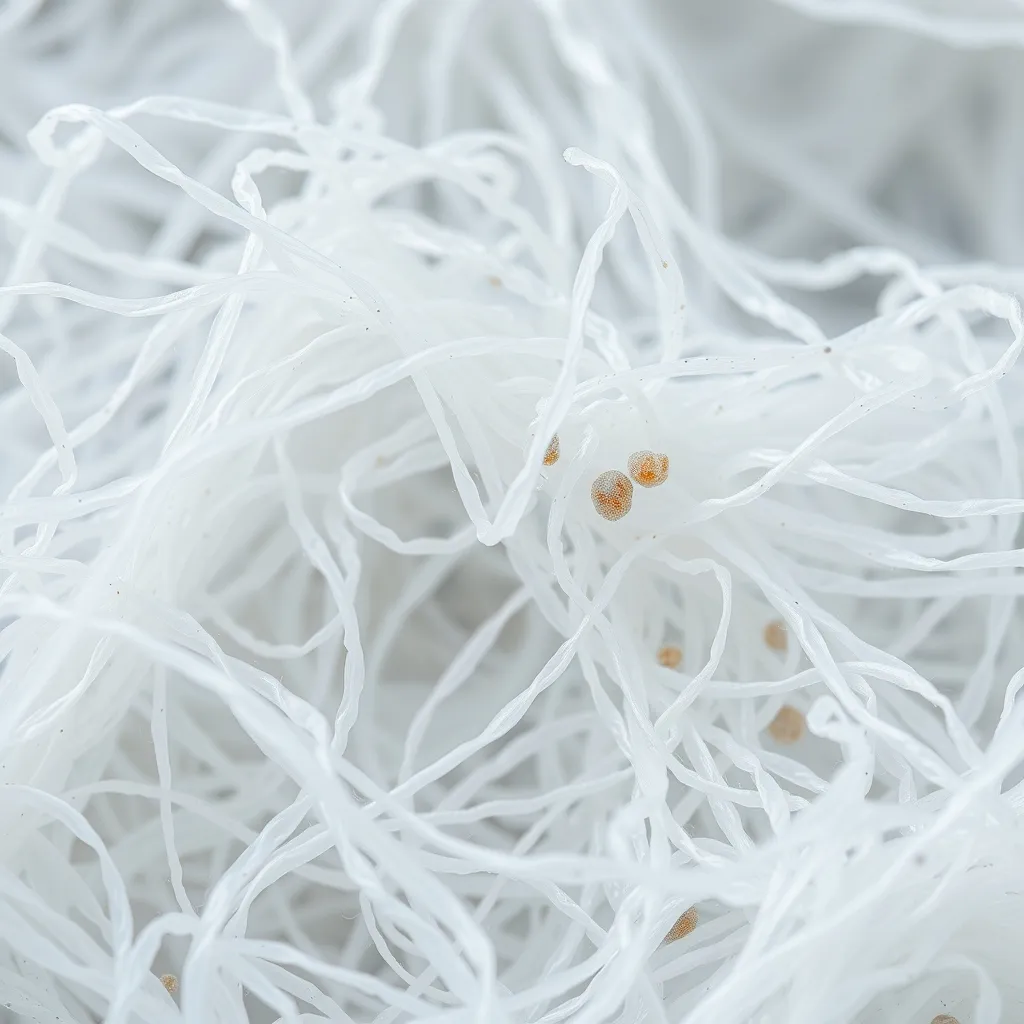
Polypropylene fibre holds back everything larger than 5 micron: sand, rust, pipe debris. It is the first gate, and it protects the filters after it.
Catches
- Sand
- Rust
- Silt
- Pipe debris
- Pore
- 5 micron
- Replacement
- 3–6 months
Granular carbon
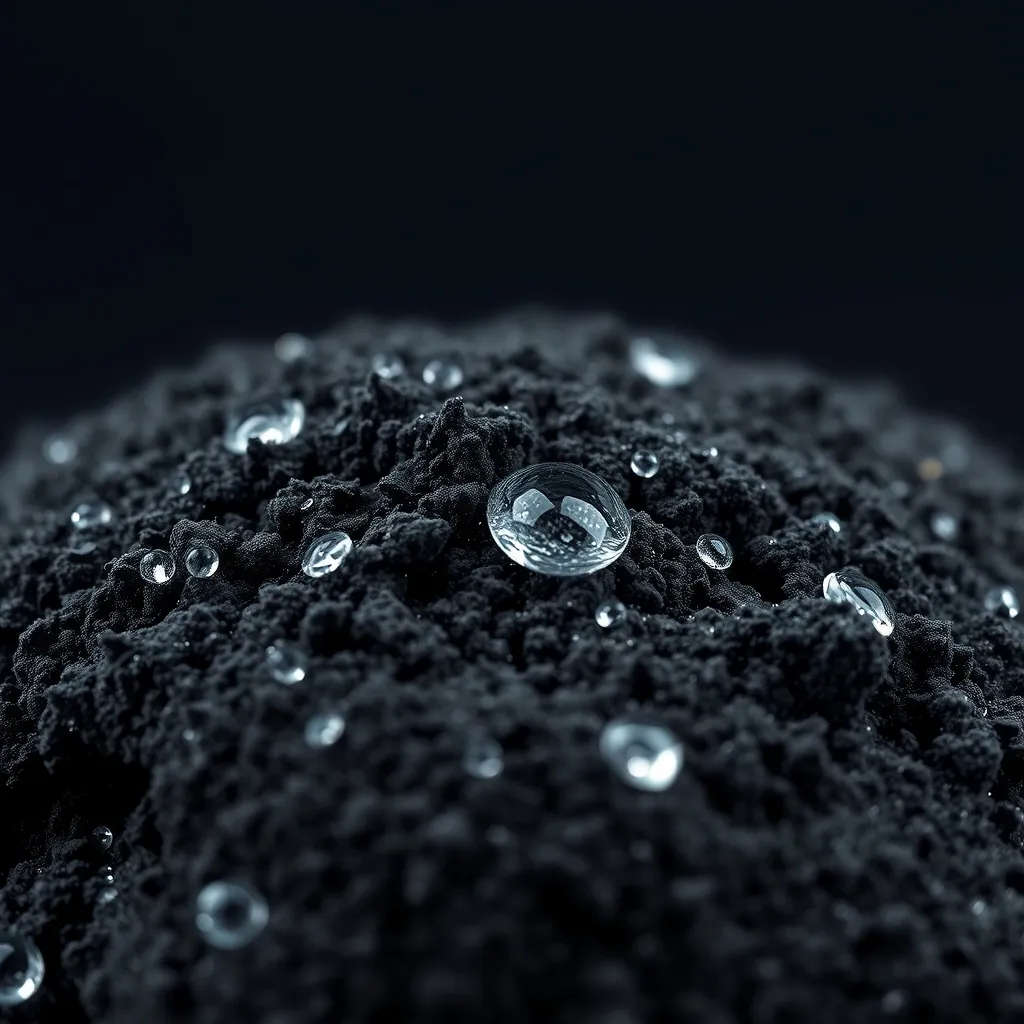
Activated carbon from coconut shell absorbs chlorine and its smell. Chlorine also damages the membrane, so it is caught here.
Catches
- Free chlorine
- Chlorine smell
- Some organic matter
- Pore
- granules, 0.5–1 mm
- Replacement
- 6 months
Carbon block
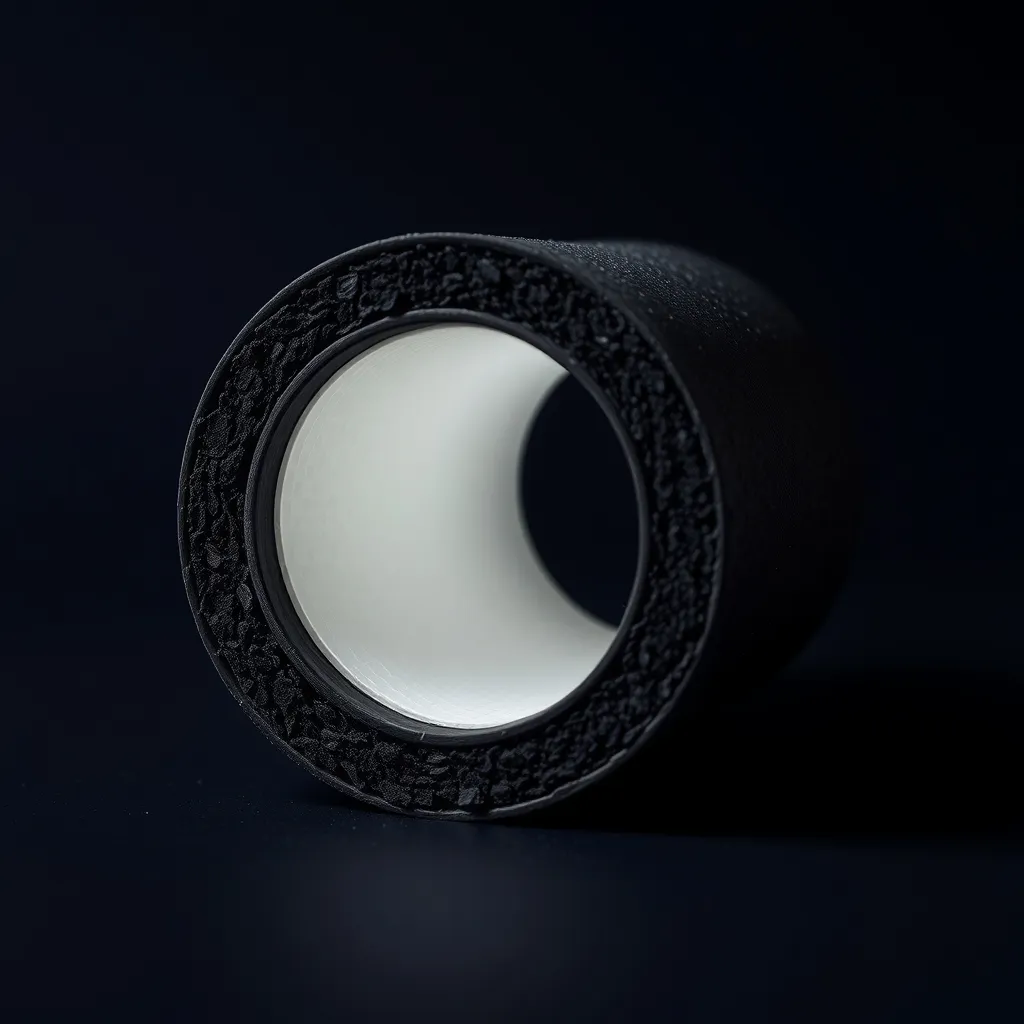
Compressed carbon filters more finely. It takes out organic compounds, traces of pesticides and any remaining taste.
Catches
- Organic compounds
- Traces of pesticides
- Remaining taste and colour
- Pore
- 5 micron
- Replacement
- 6 months
Reverse osmosis
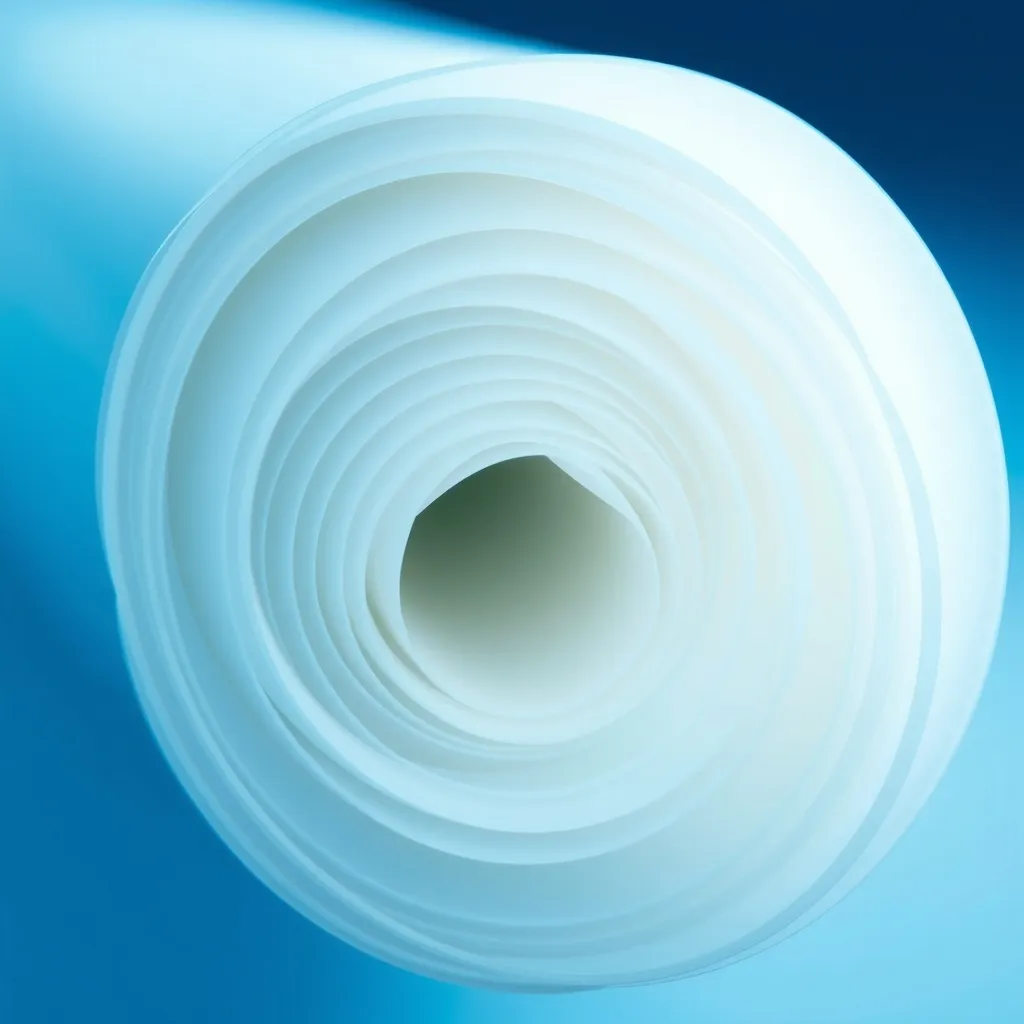
Under pressure, the water passes through a 0.0001 micron membrane. Dissolved salts, heavy metals, nitrates and bacteria go to the drain.
Catches
- Dissolved salts
- Lead and other heavy metals
- Nitrates
- Bacteria and viruses
- Pore
- 0.0001 micron
- Replacement
- 18–24 months
Mineral and final carbon
Calcium and magnesium go back into the clean water, and the final carbon polishes the taste. The water is soft but not empty.
Catches
- Remaining taste
- Pore
- returns: calcium, magnesium
- Replacement
- 12 months
What is in the water
| Substance | Where it comes from | Which stage catches it |
|---|---|---|
| Sand, rust | Old pipes, repair work | Sediment |
| Chlorine | Disinfection at the plant | Granular carbon |
| Organic matter | Rivers and reservoirs | Carbon block |
| Calcium, magnesium (hardness) | Natural sources | Reverse osmosis or softener |
| Lead | Old pipes and solder | Reverse osmosis |
| Nitrates | Agriculture | Reverse osmosis |
| Bacteria | Mains failures, well water | Reverse osmosis |
What TDS is
TDS is the total of everything dissolved in water, measured in milligrams per litre. A cheap TDS pen will check it at home. The World Health Organization gives this scale for taste:
After reverse osmosis, TDS is usually 10–40. The mineraliser raises it to 60–120.
Questions
Does reverse osmosis remove the useful minerals too?
Yes, the membrane holds back calcium and magnesium as well. That is why the last stage in the RO-6 Mineral puts them back into the water. The body gets most of its minerals from food, but mineralised water tastes better.
How much water goes to the drain?
In tank systems, about two litres go to the drain for every litre of clean water. In the Axın the ratio is one to one. Drain water can be collected for watering the garden.
Does the filter need electricity?
The RO-5 and RO-6 run on mains water pressure. If the pressure is below 2.8 bar, we fit a small pump. The Axın and Biznes plug into mains power.
Isn't boiling the water enough?
Boiling kills bacteria but does not remove salts or metals. As the water evaporates they become more concentrated, and that is where the limescale in the kettle comes from.

Book a water test
Write your name and number, and we will call to agree a convenient time.